
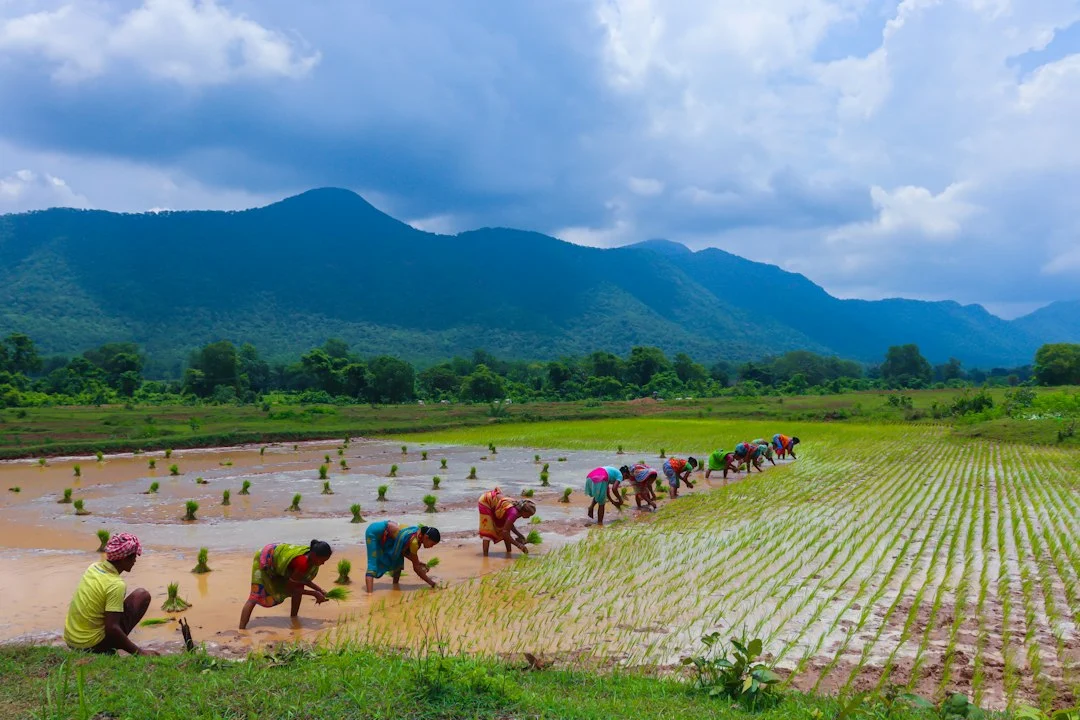
A bag of paddy harvested near Muthukur can end up as rice on a dinner plate, as feed, or as fermentable starch in an ethanol plant hundreds of kilometres away. What connects the field to the factory is the farm to industry supply chain: the chain of procurement, quality checks, storage, transport and handling that turns a scattered harvest into a steady, specification-ready supply. For farmers, rice mills and distilleries in Nellore, understanding how this chain works makes it easier to get fair prices, avoid losses and plan production with confidence.
This guide walks through each link in the chain, where things usually go wrong, and what a well-run supply partner does differently.
What Is a Farm to Industry Supply Chain?
In simple terms, it is every step between a farmer selling grain and an industrial buyer receiving it in usable condition. In the Nellore region, that typically covers:
- Procurement of paddy directly from farmers or farmer groups at the village level.
- Quality assessment of moisture, cleanliness, broken grains and foreign matter.
- Aggregation and storage in warehouses or godowns until the grain is needed.
- Processing at rice mills, which produce rice along with by-products such as broken rice, bran and husk.
- Logistics by truck to mills, distilleries, breweries and other agro-industries.
- Handling and manpower for loading, unloading, stacking and bagging at every stage.
When these links are managed separately by many small intermediaries, information gets lost, grain changes hands several times and quality slips. An integrated supply chain keeps the same partner accountable from the first weighment to the final delivery.
Stage 1: Procurement at the Farm Gate
Everything starts with the farmer. Nellore’s paddy farmers work to seasonal calendars, and harvest often arrives in large volumes within a few weeks. Without organised buyers ready at harvest time, farmers can feel pressure to sell quickly to whoever is available.
What good procurement looks like
- Transparent weighing using calibrated scales, with the farmer able to see the reading.
- Clear quality criteria explained before the sale, so price differences are understood rather than argued over.
- Timely payment on agreed terms, recorded in writing.
- Traceability, so each lot can be linked back to the village or farmer group it came from.
Moisture is the single biggest factor in how paddy is priced and how well it stores. Our earlier guide on how to check paddy moisture content before selling explains why this matters and how farmers can prepare.
Stage 2: Quality Checks and Aggregation
Industrial buyers do not buy “paddy” or “broken rice” in general; they buy grain that meets a specification. A rice mill cares about milling yield and grain type. A distillery producing grain-based ethanol cares about starch content, moisture and the absence of stones, dust and other foreign matter that reduce yield or damage equipment.
Aggregation is where small lots from many farmers are combined into consistent, larger lots. Doing this well means:
- Sampling and testing each incoming lot rather than assuming uniform quality.
- Keeping lots of different quality separate instead of mixing them indiscriminately.
- Cleaning and drying grain where needed before it moves further down the chain.
- Recording test results so the buyer knows exactly what is arriving.
This step protects both ends of the chain. Farmers are paid for the quality they actually deliver, and buyers receive grain they can process without surprises.
Stage 3: Warehousing and Storage
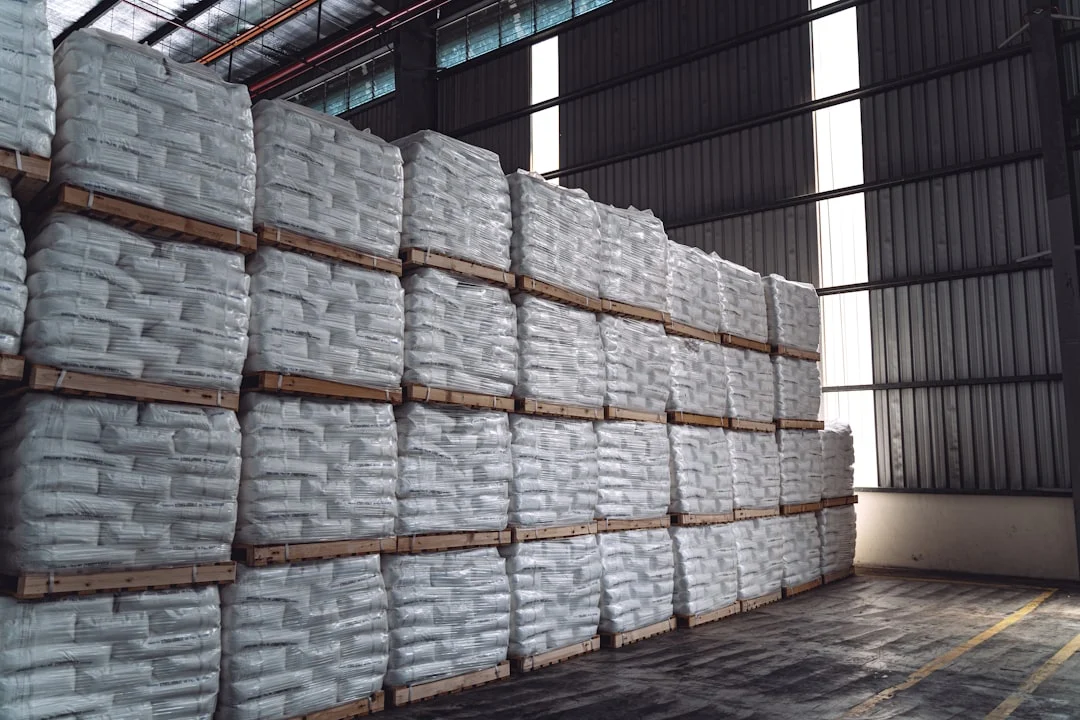
Harvests are seasonal, but mills and ethanol plants run for most of the year. Warehousing is what bridges that gap. Properly stored grain lets industrial buyers draw steady supply long after the harvest window has closed.
Storage essentials in coastal Andhra Pradesh
- Protection from moisture: the region’s humidity and heavy rain spells mean raised platforms, sound roofing and good drainage are basic requirements.
- Proper stacking: bags stacked on dunnage with aisles for ventilation and inspection.
- Pest management: regular inspection, hygiene and, where needed, fumigation carried out by trained staff following safety rules.
- Stock records: first-in, first-out rotation so older stock does not sit and deteriorate.
Poor storage is one of the quietest ways value is lost in the chain. Grain that heats up, absorbs moisture or gets infested may still look acceptable from outside, but it can fail a buyer’s quality check on arrival.
Stage 4: Processing, By-Products and the Ethanol Link
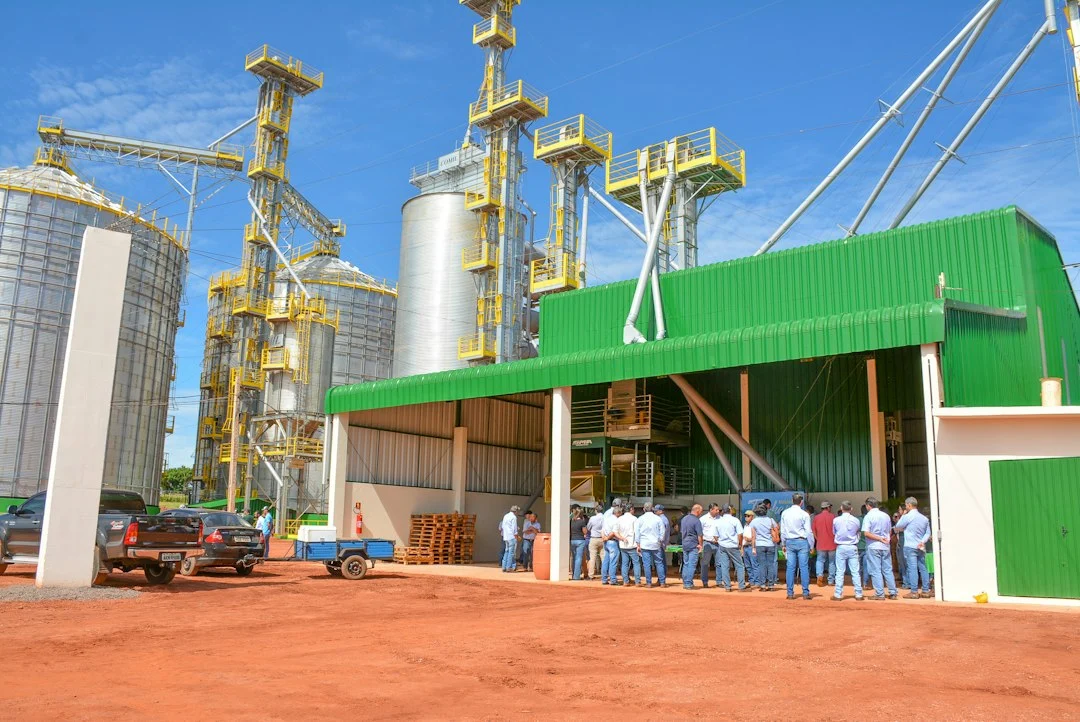
Rice mills are the hinge of the farm to industry supply chain in Nellore. Milling paddy produces head rice for food markets, and it also produces broken rice, bran and husk. Each has its own buyers.
Broken rice in particular has become an important link to the energy sector. India’s ethanol blending programme has encouraged distilleries to use grain as a feedstock alongside sugarcane-based inputs, and broken rice is one of the grains used. That creates a direct connection between the paddy fields around Muthukur and the ethanol plants and distilleries that need steady, quality-consistent supply. Our buyer’s guide to broken rice for ethanol covers what distilleries in Andhra Pradesh should look for in that feedstock.
Breweries and other agro-industries also use rice and broken rice, each with their own quality needs. A supply partner that understands these different specifications can direct the right grain to the right buyer.
Stage 5: Logistics, Handling and Manpower
Grain has to move, often more than once: from village to warehouse, from warehouse to mill, and from mill to distillery. In Andhra Pradesh this is mostly done by road, so planning around vehicle availability, route conditions and seasonal peaks is essential.
What keeps grain moving reliably
- Matched vehicles: trucks sized to the load and covered properly to protect grain from rain and dust.
- Documentation: weighbridge slips, invoices and quality records travelling with each consignment.
- Scheduled dispatches: deliveries planned around the buyer’s production schedule, not just around when a truck is free.
- Trained handling crews: skilled and unskilled workers for loading, unloading and stacking, working with proper safety practices.
Labour is often the overlooked link. During peak season, mills and distilleries may need extra hands at short notice. Having access to reliable temporary manpower keeps unloading bays clear and avoids trucks waiting for hours.
Why an Integrated Supply Chain Benefits Everyone
When procurement, storage, logistics and manpower are handled by one accountable partner, each group in the chain gains something practical:
- రైతులు get a dependable buyer at harvest, transparent weighing and clear payment terms.
- రైస్ మిల్లులు get a steadier paddy pipeline and fewer idle days waiting for stock.
- Distilleries and breweries get grain that matches their specifications, delivered on schedule, with records they can check.
- The local economy benefits as more of the value from Nellore’s harvest stays within the district through local employment in storage, transport and handling.
The common thread is trust built through transparency: shared quality data, honest weighing, written terms and delivery commitments that are kept.
తరచుగా అడిగే ప్రశ్నలు
What is the difference between a trader and a farm to industry supply chain partner?
A trader typically buys and resells grain. A supply chain partner manages the whole journey, including procurement, quality checks, storage, transport and handling, and stays accountable for the grain’s condition until it reaches the industrial buyer.
Can small and marginal farmers sell into an industrial supply chain?
Yes. Aggregation exists precisely so that small lots from many farmers can be combined into the larger, consistent volumes that mills and distilleries need. Farmers are paid for their own lot based on its weight and quality.
How can a distillery reduce the risk of seasonal feedstock shortages?
By working with a partner that procures during harvest, stores grain properly and schedules deliveries across the year. Agreeing on specifications, volumes and delivery timelines in advance makes supply far more predictable.
Build Your Supply Chain With Manuma Siddhi AG-Tech
Manuma Siddhi AG-Tech connects Nellore’s farmers with rice mills, ethanol plants, distilleries, breweries and agro-industries. From direct paddy procurement and rice and broken rice supply to warehousing, logistics and temporary manpower, we manage the links in between so grain arrives where it is needed, in the condition it is needed.
Whether you are a farmer looking for a reliable buyer or an industrial buyer planning steady feedstock, contact Manuma Siddhi AG-Tech to talk about a farm to industry supply chain that works for you.