

For anyone who holds grain in coastal Andhra Pradesh, the months from October to December need careful planning. Good paddy storage in the monsoon is what keeps a harvest’s value intact while it waits for sale, milling or delivery to an industrial buyer. In Nellore, most of the year’s rain arrives with the northeast monsoon, and cyclones in this period can bring heavy downpours and flooding. Damp air, leaking roofs and wet floors can quietly turn good paddy into discoloured, mouldy or insect-damaged stock. This guide sets out practical warehousing steps that farmers, aggregators, rice mills and distilleries can use to protect paddy and rice through the wet season.
Why the Monsoon Is the Riskiest Time for Stored Grain
Paddy and rice are hygroscopic: they take up moisture from the air around them. When humidity stays high for weeks, grain that went into storage dry can slowly absorb moisture again. That extra moisture creates the conditions that damage stored grain:
- Mould and fungal growth, which cause discolouration, musty smells and a loss of grade.
- Heating inside stacks, as damp grain respires faster and warms up, which speeds up spoilage.
- Insect build-up, since many storage pests multiply faster in warm, humid conditions.
- Weight and quality disputes at the time of sale, when moisture readings and appearance no longer match what was expected.
In Nellore, the northeast monsoon brings most of the district’s annual rainfall between October and December. This is also when many farmers and traders are holding grain, so the timing makes monsoon preparation especially important for the local supply chain.
Start With Dry, Clean Paddy
No warehouse can fix grain that goes in wet. The single most important rule of paddy storage in the monsoon is to dry grain properly before it is bagged or binned. Widely used post-harvest guidance recommends drying paddy to below 14% moisture before storage, and lower still for grain kept as seed.
Practical drying and cleaning tips
- Test moisture with a calibrated meter rather than judging by hand or by biting grains. Our guide on how to check paddy moisture content before selling explains how.
- Dry on clean tarpaulins or a raised drying floor, never directly on bare soil or roads.
- Turn the grain regularly for even drying, and cover it quickly when rain threatens.
- Clean out chaff, straw, stones and broken or immature grains. Foreign matter holds moisture and gives pests a place to start.
- Let grain cool after sun drying before bagging, so condensation does not form inside the bags.
Prepare the Godown Before the Rains Arrive
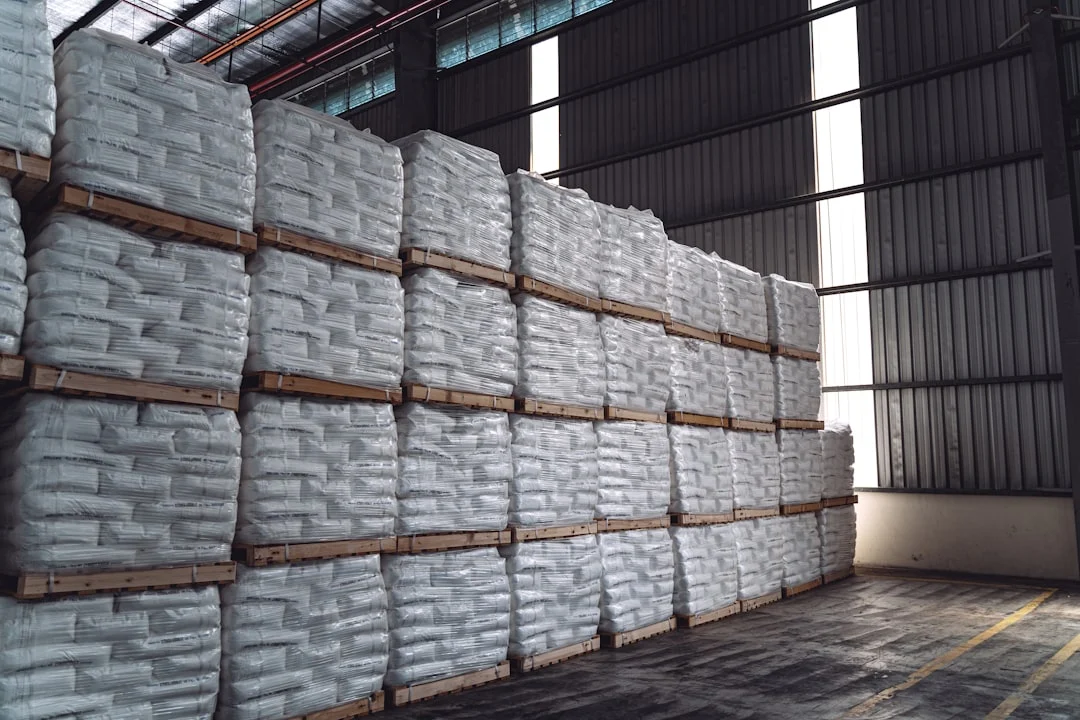
The best time to fix a warehouse is before the first heavy shower. A short pre-monsoon inspection can prevent most water damage.
Building checklist
- Roof and gutters: Replace cracked sheets, seal gaps around bolts and clear gutters and downpipes so water drains away from the building.
- Walls and floors: Look for damp patches, cracks and seepage. A raised, sound concrete floor helps keep ground moisture away from stock.
- Drainage: Make sure rainwater around the godown flows away from it, not towards the doors or plinth.
- Doors and ventilators: Check that they close firmly. Fit wire mesh on ventilators to keep out birds and rodents.
- Hygiene: Sweep out old grain, dust and spilled material, which can carry insects into new stock.
Stacking and Ventilation Best Practices
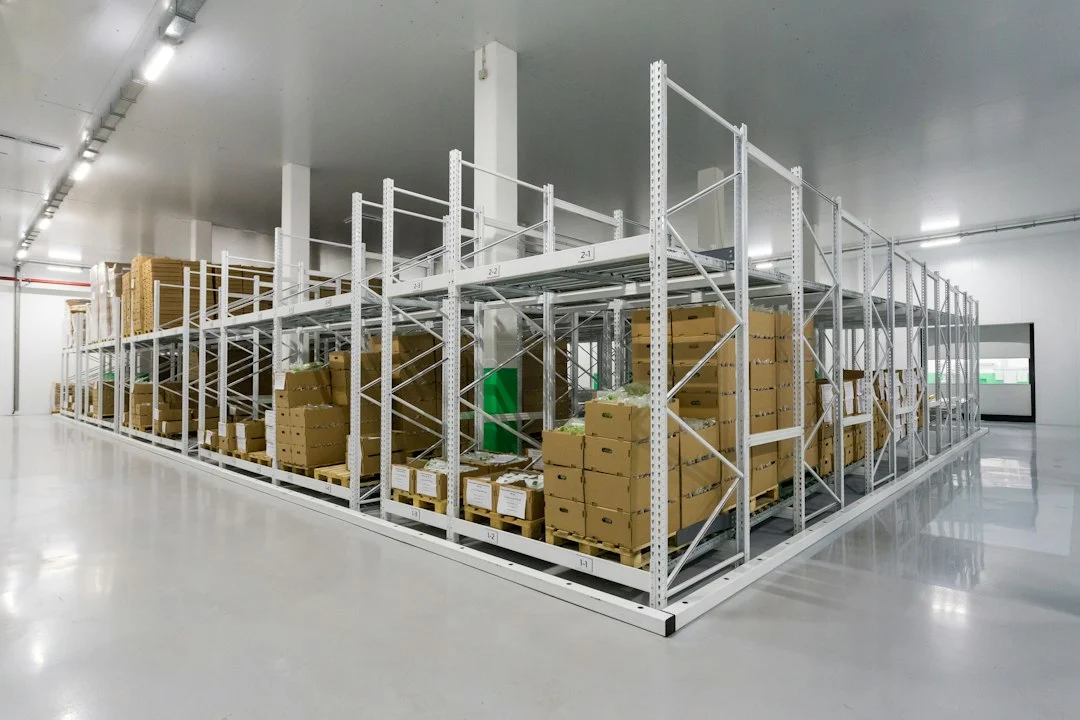
How bags are stacked matters as much as the building itself. Good stacking keeps grain off damp surfaces, lets air move and makes inspection easy.
- Never stack directly on the floor. Use wooden pallets, crates or other dunnage, with a polythene sheet between floor and pallets where moisture rises from below.
- Keep stacks away from walls and leave walkways between stacks, so you can inspect every side and air can circulate.
- Build stable, neat stacks and label each lot with its date of arrival, source and moisture reading at intake.
- Ventilate with care. Open ventilators and doors on dry, sunny hours and close them during rain and on very humid days, so you are not drawing damp air over the grain.
- Keep covers handy. Waterproof tarpaulins or polythene covers help protect stacks near doors or under any doubtful section of roof.
For smaller quantities, farmers often use hermetic (airtight) storage bags. Sealed bags limit the exchange of air and moisture with the outside, which helps protect dry grain from humidity and can slow insect activity. The grain must still be dry before it is sealed.
Monitoring Stock Through the Wet Season
Storage is not a one-time job. During the monsoon, a simple routine helps you catch problems while they are still small.
A weekly inspection routine
- Walk around every stack and check for wet bags, water stains or drips from the roof.
- Feel and smell the grain. Warmth inside a stack or a musty smell is an early warning sign.
- Take sample moisture readings from different stacks and compare them with intake readings.
- Look for insects, webbing, powdery residue, rodent droppings or chewed bags.
- Record what you find, so trends are easy to spot.
If a lot is showing rising moisture or early spoilage, move it out first. Re-drying, cleaning or selling that lot early is usually far cheaper than losing it. Where pest control or fumigation is needed, use trained, licensed operators who follow approved safety procedures. Fumigants are hazardous and should never be handled by untrained workers.
Planning Paddy Storage in the Monsoon Around Your Supply Chain
The less time grain spends waiting in poor conditions, the lower the risk. Storage decisions work best when they are linked to procurement and delivery plans.
- For farmers: Decide in advance whether you will sell at harvest or hold the crop. If you plan to hold, confirm you have dry, raised, secure space before the rains. Our post on kharif paddy planning in Nellore covers how to think about the season as a whole.
- For rice mills: Schedule paddy arrivals to match milling capacity so large volumes do not sit in open yards during heavy rain.
- For distilleries and agro-industries: Agree moisture and quality specifications with suppliers and plan buffer stock in covered storage, so a spell of bad weather does not halt production.
- For transport: Use covered trucks with tarpaulins in good condition, and avoid loading or unloading in open rain.
Working with a partner that combines procurement, logistics and warehousing makes this coordination easier, because grain can move from field to store to buyer with fewer delays and fewer handling points.
తరచుగా అడిగే ప్రశ్నలు
What moisture level is safe for storing paddy during the monsoon?
Common post-harvest guidance is to dry paddy to below 14% moisture before storage, and lower for seed. Because stored grain can absorb moisture in humid weather, check readings regularly through the monsoon rather than relying on the intake reading alone.
Can I store paddy bags directly on a concrete floor?
It is best not to. Floors can hold or transmit moisture, especially in the wet season. Place bags on wooden pallets or other dunnage, and keep stacks away from walls so air can move and you can inspect them.
Should I keep the godown closed all the time during the rains?
Not all the time. Keep doors and ventilators closed during rain and very humid periods, and open them during dry, sunny hours to let stale, warm air escape. The aim is to avoid bringing damp air into the store.
Store and Move Your Grain With Confidence
Careful paddy storage in the monsoon protects grain quality, prices and supply commitments for everyone from the farmer to the factory. Manuma Siddhi AG-Tech supports farmers, rice mills, distilleries and agro-industries in the Nellore region with warehousing and storage, logistics and direct paddy procurement. If you need reliable storage or a dependable way to move grain this season, contact Manuma Siddhi AG-Tech to talk to our team.